by floor-sanding-east-barten@2023 | Apr 15, 2026 | Floor Sanding
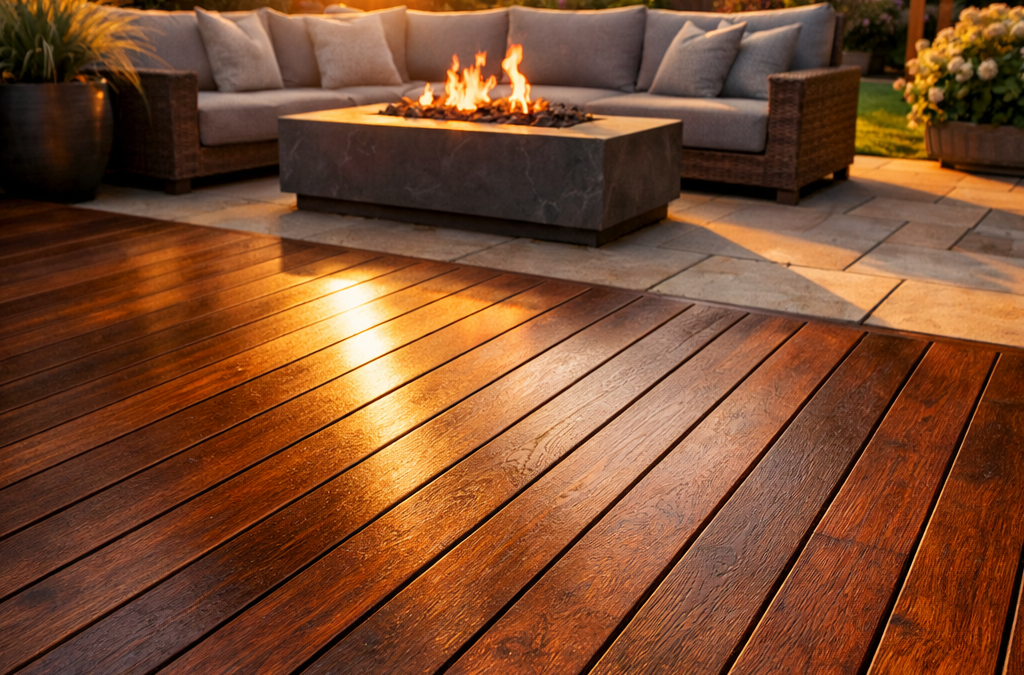
Key Takeaways • Professional decking restoration involves sanding, not just pressure washing, to remove deep-seated rot.• Never oil decking when the moisture content is above 20% to avoid trapping dampness.• 40-grit Zirconia papers are required to strip old, flaky...
by | Apr 8, 2026 | Floor Sanding, Heritage Floor Restoration
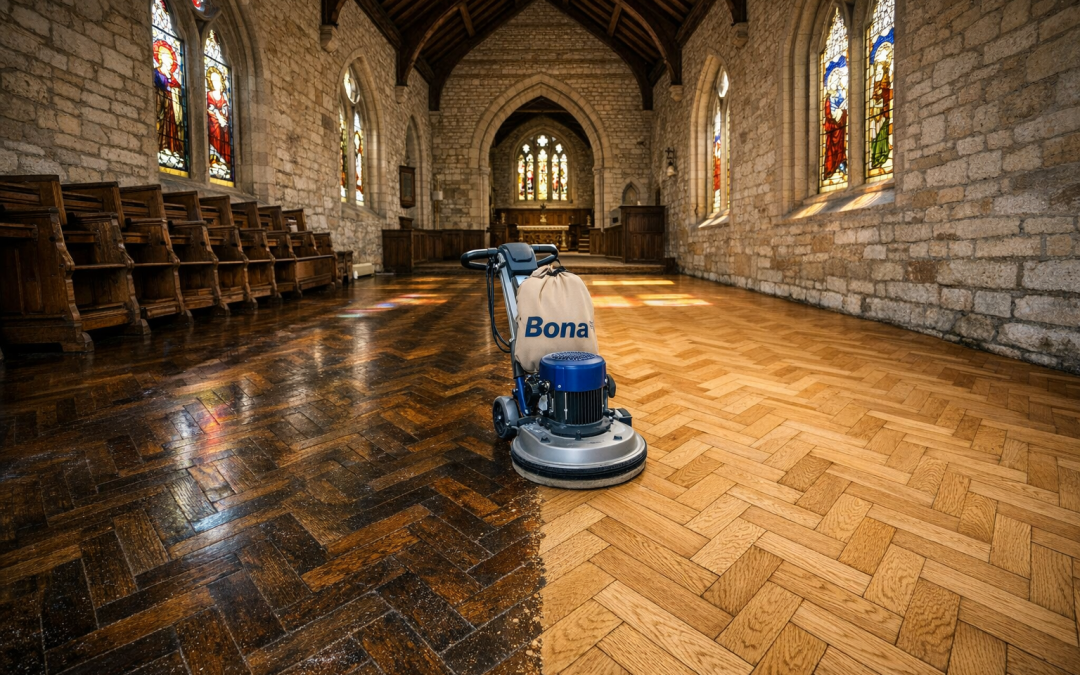
Key Takeaways Church and chapel floors are irreplaceable heritage assets — many feature original Victorian or Edwardian oak parquet, pitch pine boards or elm planking that pre-dates the building’s listed status. Restoration, not replacement, is the only...
by | Apr 8, 2026 | Commercial Floor Sanding, Floor Sanding
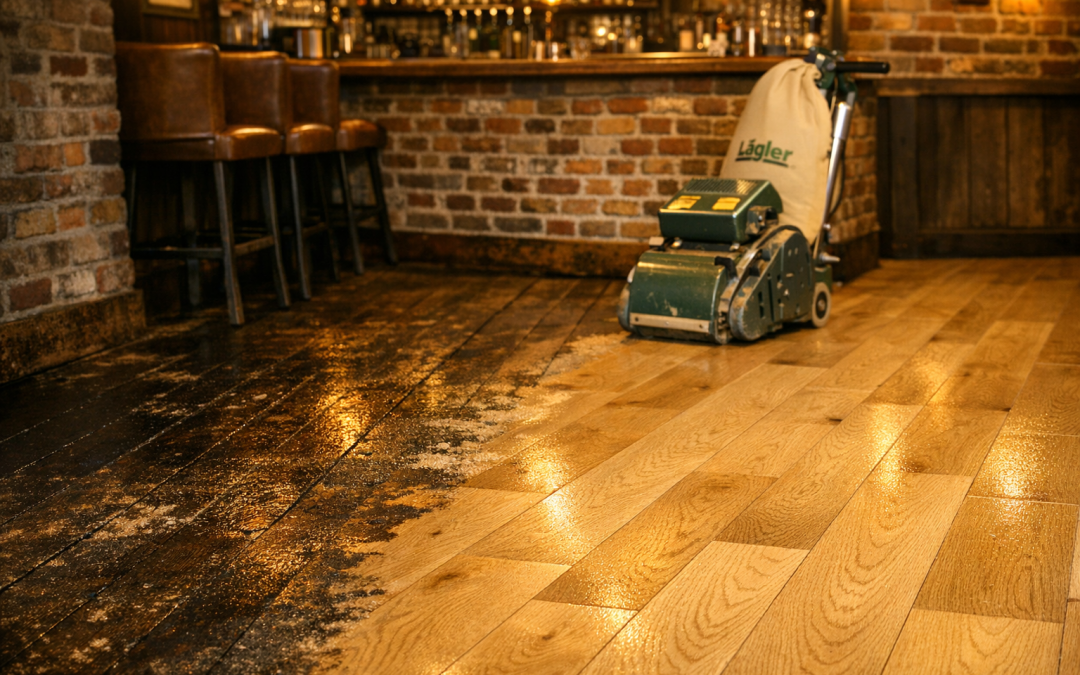
Key Takeaways Pub and restaurant floors endure punishment that no domestic floor experiences — daily spillages of beer, wine, coffee and cooking oils, heavy foot traffic from morning to midnight, dragged furniture, dropped crockery and constant wet mopping create a...
by | Apr 8, 2026 | Floor Aftercare, Floor Sanding
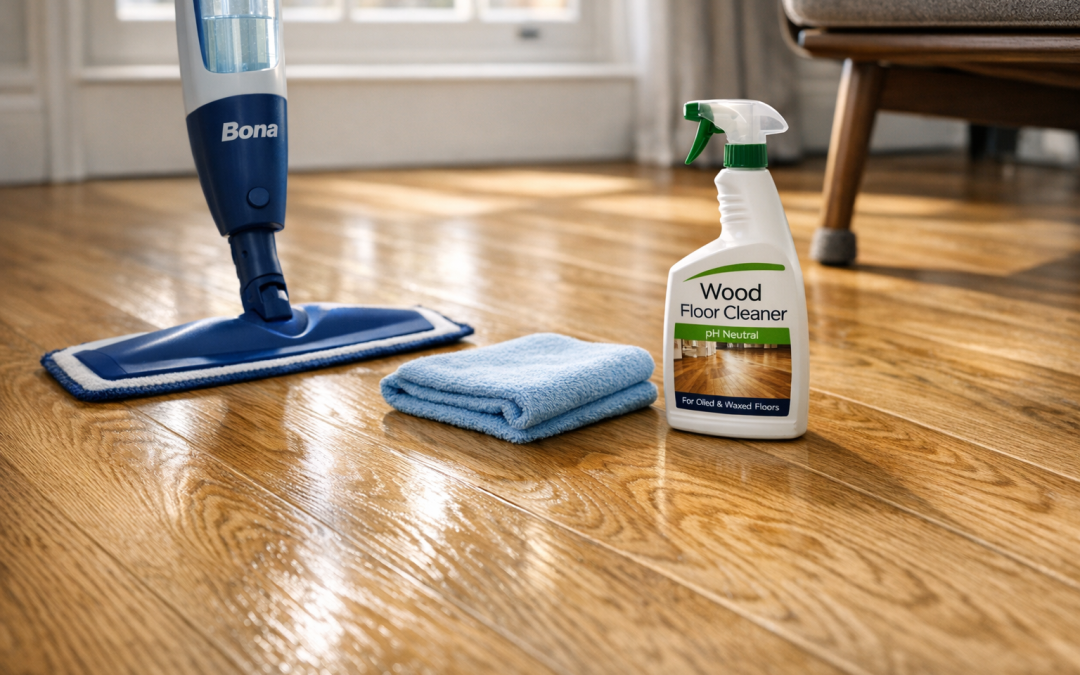
Key Takeaways The first 7–14 days after finishing are critical — most floor damage occurs during the cure period, not years later. Understanding the difference between ‘dry’ and ‘cured’ saves expensive call-backs.Water-based lacquer (Bona...
by | Apr 8, 2026 | Floor Sanding, Heritage Floor Restoration
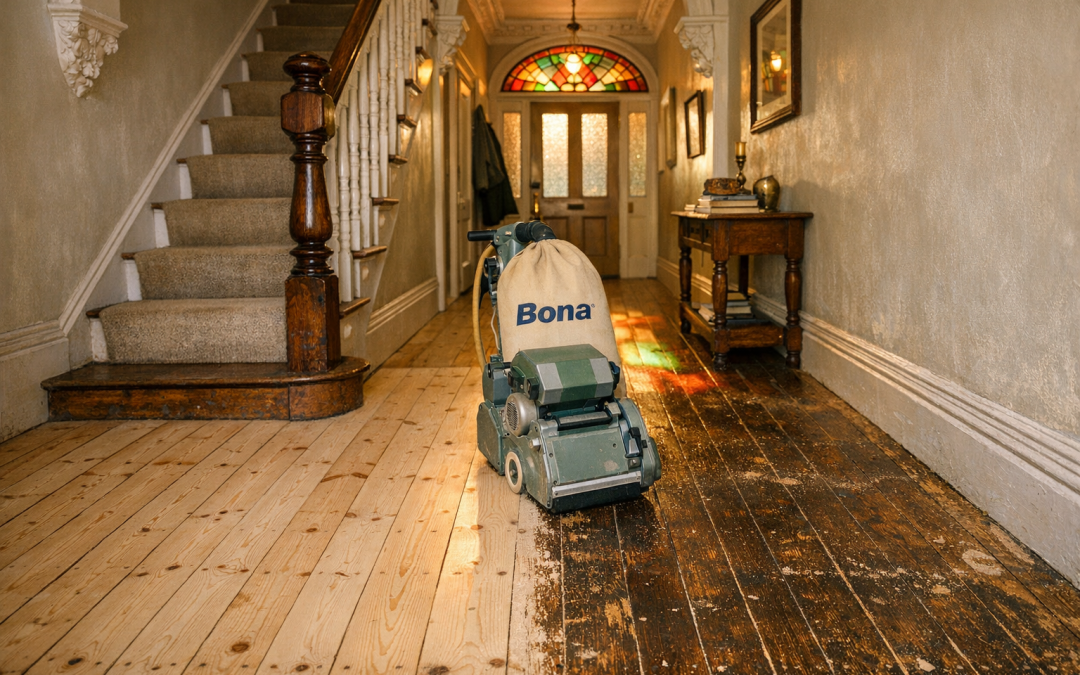
Key Takeaways Victorian pine is softer than oak or hardwood — it demands a tailored sanding sequence starting with 40-grit Zirconia abrasives to level uneven, cupped boards without gouging the softer grain.Tannin pull and grain raising are the two most common issues...
by | Apr 8, 2026 | Commercial Floor Sanding, Floor Sanding
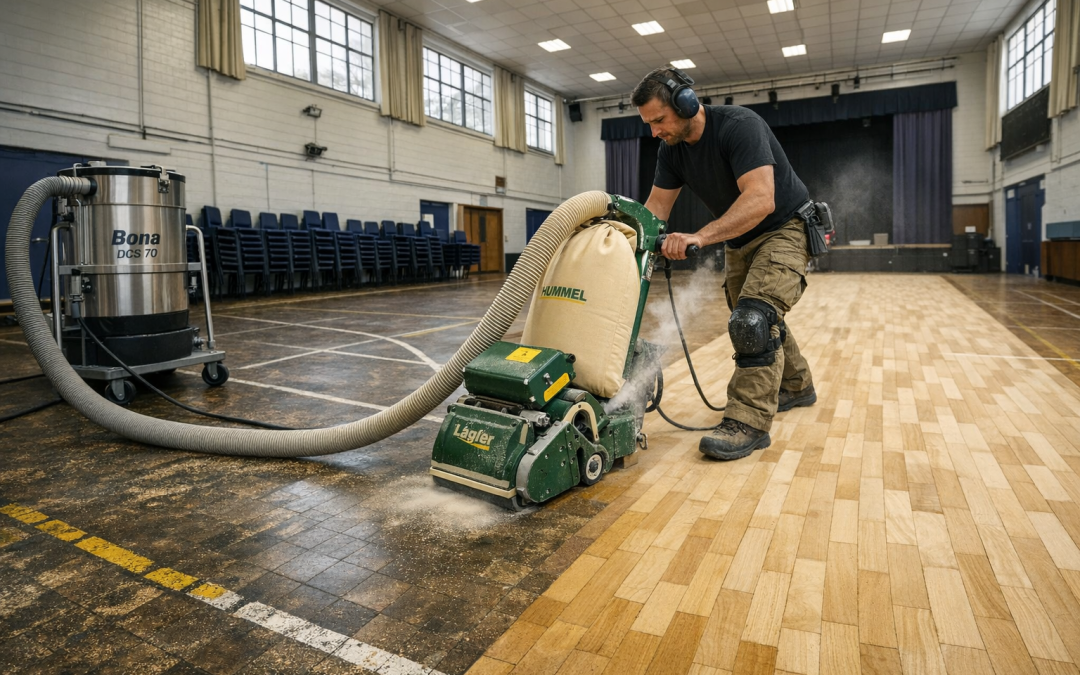
Key Takeaways School halls, churches and sports facilities present unique challenges — massive floor areas, tight turnaround schedules during half-terms and holidays, strict safety and slip-resistance standards, and finishes that must withstand thousands of footfalls...